Flip-Up Iron Sights for Picatinny Rails: Worth It?
These fiber-optic flip-up iron sights are compact, simple to operate, and quick to deploy. I especially liked the button-release action and red-and-green aiming layout.
Affiliate disclosure: As an Amazon Associate I earn from qualifying purchases. This article may contain affiliate links, which means I may earn a commission at no extra cost to you.
If you want flip-up iron sights for a Picatinny rail that remain folded down until you need them, this front-and-rear fiber-optic set has a clear practical appeal. I mounted and handled the Feyachi S7A-style set shown here, and the feature I kept coming back to was its button-activated deployment. Press the release on either sight and it springs upright. Push it back down and it sits low on the rail again. That simple action makes these more than ordinary foldable sights: they offer a direct way to stow or raise each sight without adding batteries, charging, pairing, or electronic controls.
A straightforward flip-up iron-sight set for Picatinny-equipped setups. I liked the spring-loaded deployment, low folded profile, and contrasting fiber-optic dots for airsoft or backup-style use, but compare the current Visiofire listing with the Feyachi S7A-style set I handled before ordering.
As an Amazon Associate I earn from qualifying purchases.
The supplied Amazon ASIN is currently associated with a Visiofire-branded set, while the set I handled was identified as Feyachi S7A. That identity difference matters because branding, included hardware, and variants can change. The set in my hands had two Picatinny-mounted pieces, green rear fiber-optic dots, one red front dot, fold-down storage, spring-up deployment, rear left/right adjustment, and front up/down adjustment. Before ordering, I would compare the current listing photos, included pieces, dot arrangement, and hardware with that configuration.
| Type | Front-and-rear fiber-optic flip-up iron-sight set |
|---|---|
| Mounting | Picatinny rail |
| Deployment | Button-activated spring-up design |
| Sight dots | Green rear dots and red front dot |
| Adjustments | Rear left/right; front up/down |
| Included | Mounting hardware and Allen wrench |
Who should consider these flip-up iron sights?
These flip-up iron sights make the most sense for someone with a compatible Picatinny rail who wants a compact front-and-rear sighting reference without keeping tall fixed sights upright all the time. Their purpose is straightforward: keep the rail profile lower while the sights are not needed, then raise them quickly when you want to use them. That is a different buying priority from choosing permanently upright iron sights, and it is the main reason this style is worth considering.
I also specifically identified airsoft as a potential use for this set. The format is easy to understand for that kind of setup: there is a physical front sight, a physical rear sight, colored fiber-optic reference dots, and controls that are direct rather than complicated. If you prefer a mechanical sighting option instead of another electronic accessory, the basic arrangement is appealing. It does not rely on a battery to provide the front-and-rear sight picture.
These can also suit someone building around a rail-mounted optic who wants iron sights that can stay out of the way when folded. The low stored position is a meaningful part of the product rather than a minor extra. I could push each piece down so it no longer stood upright over the rail, then use its release button to bring it back up. For a buyer who values a cleaner stored profile, that convenience may matter even more than the fiber-optic dots.
I would keep the intended use in perspective. I handled the mounting, fold-down action, button deployment, dot layout, and visible adjustment controls. I did not test field accuracy, long-term durability, live-fire recoil durability, adjustment repeatability, or long-term spring retention, so I cannot make conclusions about those areas. For a basic backup-style or airsoft-oriented sight set, though, the appeal is easy to understand: mount the two pieces on compatible rail positions, fold them down when they are not wanted, and pop them upright when they are.
My Picatinny mounting and setup experience
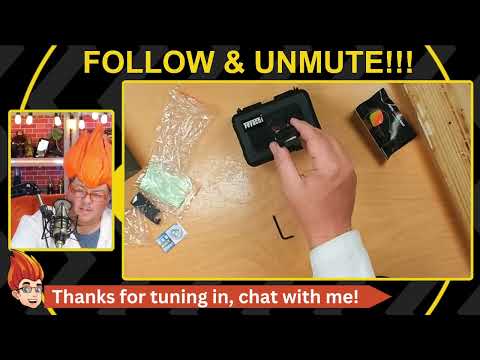
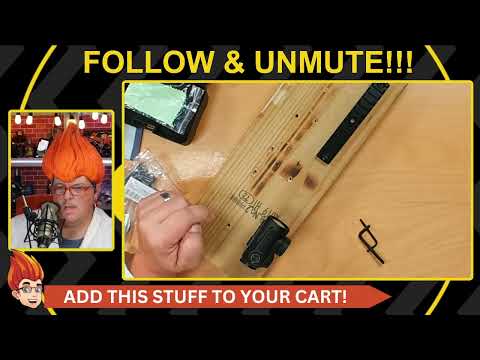
I opened a package containing two separate sight pieces, mounting hardware, and an Allen wrench. I mounted the front and rear sights on separate sections of Picatinny rail fixed to my wood board. That gave me time with the ownership details I would want to understand before buying: how the sights attach, what comes in the box, how much space the two pieces use, how they fold, and how the release buttons behave.
Each sight attaches to the Picatinny rail with screws, and the supplied Allen wrench is the tool included for that mounting task. I placed the rear unit on one rail section and the front unit on another, then secured them in place. The compatibility point is simple but important: the fit I used was for Picatinny rail sections. I did not check compatibility beyond that setup, so I would not assume the set fits every rail pattern or every platform.
The set includes the essentials for the installation I used, which is helpful. You do not need to find a separate wrench just to attach the sights. At the same time, this is a compact accessory with small parts. The screws and Allen wrench are easy to set down or misplace, and no dedicated storage case came with my set. I would keep the remaining hardware and wrench in a labeled small box or organizer after installation. That is not a major product flaw, but it is a real ownership detail for anyone who expects to remove, reposition, or store the sights later.
Because this is a front-and-rear system rather than one self-contained unit, rail space deserves consideration before ordering. You need suitable positions for both elements. That two-piece arrangement is what creates the familiar iron-sight alignment, but it also means a buyer should look at the layout of the rest of the gear already on the rail. The fold-down profile helps once the sights are installed because the pieces can stay down instead of remaining upright all the time.
I also like that the product does not complicate the basic mounting concept. The front and rear pieces are distinct, each has a clear role, and the included hardware corresponds to the Picatinny setup I used. If you already know you need a two-piece iron-sight arrangement and have compatible rail positions available, this is a simple type of accessory to evaluate. The more important question is whether the current listing is the same configuration as the set I handled.

Why the button-release flip-up action stood out
The pop-up mechanism was the standout feature in my hands-on use. Each sight folds down manually. When I pressed its release button, the corresponding sight sprang upright immediately. I handled the front and rear repeatedly because the action was satisfying, but the useful point is more practical than that: the sights can remain folded down until the moment you want to raise them.
A basic folding sight can still be useful, but pulling it into position by hand adds an extra action. Here, the release button handles that step. I found the operation direct and intuitive. Front button, front sight up. Rear button, rear sight up. When I wanted them stowed, I pushed them back down. There is no menu to navigate, no pairing process, no charging routine, and no battery status to manage for this core function.
That simplicity is why I would focus on these as a practical product rather than overcomplicating their role. They are not a red dot, magnifier, or electronic aiming system. They are conventional iron sights with spring-assisted deployment and colored fiber-optic references. If your goal is a sight set that is easy to leave out of the way and easy to bring into use, this design handles that job cleanly.
I also liked that both pieces follow the same basic operating idea. One end does not use a different release arrangement or require a confusing sequence. I could fold each one down, press the appropriate button, and raise it. That consistency makes the set approachable for someone who wants a direct rail accessory rather than a complex system to learn.
The stored position has value even when you are not actively using the sights. With both pieces down, the setup looks less cluttered than it does with upright fixed sights. With both pieces raised, the front-and-rear relationship is ready to use. Buyers deciding between fixed and flip-up sights should focus on this everyday difference: fixed sights are always there, while these let you choose between a lower stored position and a raised sighting position with a button press.
How the red-and-green fiber-optic sight picture works
The rear sight has two green fiber-optic dots, while the front sight has one red fiber-optic dot. Looking through the rear sight, I lined the front red dot between the two green rear dots. I described the arrangement as a lollipop-style aiming view because that was the simple visual relationship I used: the front reference is centered in relation to the rear references.
The color contrast was a sensible choice. Green at the rear and red at the front give the eye two clearly different reference points. I found the intended alignment easy to understand while handling the set. Instead of having dots with the same color and asking the user to distinguish their roles at a glance, the rear pair frames the contrasting front dot. The front dot is the reference that gets centered.
Fiber-optic dots do not eliminate the need for proper alignment. They are still sight references rather than an automated aiming system. But for someone who wants a clear visual arrangement on a simple backup-style or airsoft setup, the color layout is practical. Once the sights were raised, I found the front-and-rear relationship easy to see and explain.
This is where the two-piece format earns its place. The rear component supplies the pair of green reference dots, and the front component supplies the red dot. Together, they create the sight picture. If you are deciding between this type of sight set and a single rail-mounted electronic accessory, the buyer decision is mostly about whether you want that physical front-and-rear alignment and a non-battery-dependent sighting option.
I would not buy the set solely because it has colored dots. The dots are useful because they work alongside the fold-down form factor, the button releases, the two-piece layout, and the available adjustments. Taken together, those features make this a focused product for buyers who want compact iron sights rather than a replacement for every other optic category.
Adjustment controls and realistic buyer expectations
I checked adjustment at both ends of the set. The rear sight moves left and right for windage correction. The front sight has a dial for up-and-down elevation correction. That front/rear division is practical and easy to identify while handling the product: rear for horizontal movement and front for vertical movement.
The controls were visible, accessible, and understandable in my setup. That supports the basic point that these are not fixed, non-adjustable sights once mounted. If alignment needs correction, the product provides a rear control for left/right movement and a front dial for up/down movement. For the buyer considering a simple adjustable iron-sight arrangement, that is an important capability to have.
There are limits to what I can say. I did not establish click values, the total adjustment range, accuracy at distance, or how repeatable the settings remain after extended use. I also did not test live-fire recoil durability or long-term retention of the spring-loaded mechanism. Buyers who need a sight system for demanding precision or hard-use conditions should make their decision with those unanswered questions in mind.
That limit does not erase the value of the controls I handled. The rear windage and front elevation layout is clear, and it matches the basic correction roles a buyer expects from a front-and-rear iron-sight system. It simply means that the strongest firsthand conclusions here are about mounting, deployment, sight layout, and access to adjustment controls—not about performance claims outside that use.
+ Pros
- Button-activated sights popped upright quickly in my hands-on use
- Green rear dots and red front dot create a simple visual reference
- Both sights fold down to reduce rail profile when not in use
- Basic Picatinny mounting hardware and Allen wrench are included
- Rear windage and front elevation adjustments are available
! What to know
- Requires a Picatinny rail for the installation shown
- Small screws and Allen wrench need to be kept together
- No dedicated storage case was included
- Compare the current Visiofire listing with the Feyachi S7A-style set I handled
Picatinny rail fit and ownership details before ordering
The most important buying requirement is rail compatibility. I installed this set on Picatinny rail sections, and that is the fit the product needs for the setup I used. If your gear does not have a compatible Picatinny-style rail, this is not a drop-in purchase. Confirm the rail standard before ordering rather than assuming every rail-mounted accessory will attach correctly.
Next, decide whether you want fixed sights or sights that can stow low. The folded position is a genuine part of this product’s value. When I pushed the sights down, they no longer stood upright over the rail. When I wanted them raised again, the release buttons brought them back up. For a buyer who values a lower stored profile, that feature will likely matter more than the fiber dots themselves.
The included mounting hardware and Allen wrench cover the basic Picatinny installation I used. Still, I would not lose track of them. This matters if you remove the sights, reposition them, or keep the set packed away before installing it. Since there was no dedicated case, I would keep the parts together in a separate small box. That is an easy solution, but it is worth planning for.
Finally, verify the current listing identity. I handled a set called Feyachi S7A, while the supplied ASIN now identifies as Visiofire. The current listing is in the same broad category of front-and-rear fiber-optic flip-up sights for Picatinny rails, and its red/green dots and rapid pop-up concept align with the set I handled. Even so, brand and variant differences can matter. Check current photos, dot arrangement, mounting hardware, and the complete product configuration before purchase.
This listing caveat is especially important because the spring-up buttons are the feature I liked most. A buyer should confirm that the current Visiofire-branded option includes the same front-and-rear button-release design rather than relying on a category name alone. It is also worth confirming the included wrench and mounting hardware if those pieces affect your buying decision.
Specs
| Spec | Detail |
|---|---|
| Product configuration | Two-piece front and rear sight set |
| Rail compatibility | Picatinny rail |
| Rear reference dots | Two green fiber-optic dots |
| Front reference dot | One red fiber-optic dot |
| Deployment | Manual fold-down with button-activated spring-up action |
| Rear adjustment | Left/right correction |
| Front adjustment | Up/down correction |
| Installation hardware | Screws and Allen wrench included |
Are these flip-up iron sights worth buying?
For a Picatinny-compatible setup where you want a low-profile mechanical front-and-rear sight option, I think this style is worth considering. The button-triggered spring-up action is what separates it from a more basic sight set for me. It is not merely that the sights fold down; I could deploy either one quickly with a direct press rather than manually pulling it upright.
The fiber-optic layout is the second reason to consider it. Two green rear dots and one red front dot create a simple, color-contrasted reference that I found easy to understand. Add the rear left/right and front up/down adjustment controls, and the set covers the essential functions expected from a basic adjustable iron-sight arrangement.
I would frame the purchase decision around practical priorities, not performance promises I cannot support. Consider it if you want compact backup-style sights or a simple airsoft option, have suitable Picatinny rail space, and like button-activated deployment. Do not choose it on the assumption that I established long-range accuracy, exact adjustment values, live-fire durability, or long-term spring performance. Those are separate questions I did not test.
Within the use I had with it, the set was easy to mount, easy to operate, and enjoyable to handle. The front and rear pieces popped upright as intended, folded down cleanly, and created a clear red-and-green alignment concept. That is a focused product proposition, and it is why the design stood out to me.
For some buyers, the decision may come down to whether a non-battery-dependent sighting option matters. These sights do not replace every optic category, and they are not trying to. Their appeal is that the physical sight picture is still available whenever the two pieces are raised. If that approach matches your setup and you have compatible rail positions, the combination of folding storage and button deployment is compelling.
Scorecard
Release buttons popped each sight upright immediately.
Red front and green rear dots are easy to distinguish.
Both sights fold down cleanly when not needed.
Basic Picatinny clamp installation with included wrench.
Rear windage and front elevation controls were easy to identify.
Final recommendation for this fiber-optic sight set
I would recommend this type of flip-up iron sight set to someone with a Picatinny-equipped setup who wants compact, non-battery-dependent sights that can remain folded down until needed. The standout is the button-release mechanism. I liked how immediately both sights sprang upright, and I liked being able to push them back down when I was finished.
The contrasting green rear dots and red front dot also make the sight picture easy to distinguish. With the included mounting hardware and Allen wrench, plus the basic rear windage and front elevation controls, the set covers the key functions I want from a simple front-and-rear rail-mounted design.
Before buying, compare the current Visiofire listing with the Feyachi S7A-style configuration I handled. Verify Picatinny fit, the two-piece front-and-rear arrangement, the fiber-dot colors, the button-release design, and included hardware. If those details line up and your priority is fast deployment with low-profile storage, this is a straightforward sight set with a feature I found especially appealing.
As an Amazon Associate I earn from qualifying purchases.
Flip-up iron sights FAQ
Do these flip-up iron sights fit any rail?
No. I mounted this set on Picatinny rail sections. Confirm that your setup uses a compatible Picatinny-style rail before buying because I did not check fit beyond that rail arrangement.
How do the sights deploy?
Each sight folds down manually. Pressing the release button on the corresponding front or rear unit made it spring upright immediately in my hands-on use.
What color are the fiber-optic dots?
The rear sight has two green fiber-optic dots, while the front sight has one red fiber-optic dot. I aligned the front red dot between the two green rear dots.
Can these sights be used for airsoft?
Yes. I specifically identified this set as a possible airsoft option. The compact fold-down format and simple front-and-rear alignment make that a sensible use for this type of sight set.
Are the sights adjustable?
Yes. The rear sight adjusts left and right, while the front sight has an up-and-down adjustment dial. I did not test exact click values or the total adjustment range.
Does the set include an installation tool?
Yes. My set included mounting hardware and an Allen wrench for the Picatinny installation I used. It did not include a dedicated storage case.
Is the current Visiofire listing the exact set I handled?
I handled a set identified as Feyachi S7A, while the supplied ASIN currently maps to a Visiofire-branded listing. The basic fiber-optic flip-up concept aligns, but compare the current photos, branding, hardware, and included parts before ordering.