HexClad 10-Inch Pan Review: Does It Handle Eggs?
The HexClad 10-Inch Hybrid Frying Pan handled scrambled eggs with smooth release and quick cleanup in my stovetop cook. I needed less heat than with my old aluminum-style pan, and the extra weight was noticeable.
Affiliate disclosure: As an Amazon Associate I earn from qualifying purchases. This article may contain affiliate links, which means I may earn a commission at no extra cost to you.
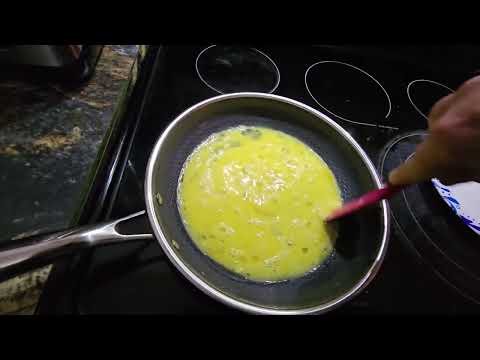
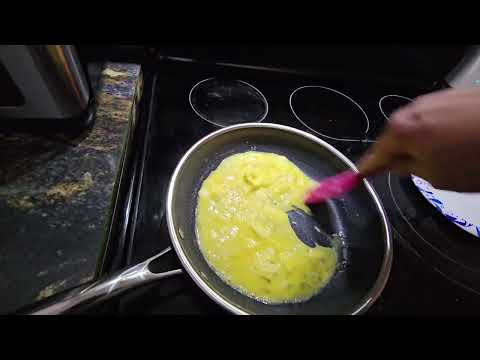
The HexClad 10-inch pan answered the breakfast question I cared about most: would scrambled eggs move cleanly instead of clinging to the cooking surface? In my stovetop cook, they did. I used the seasoned pan at medium heat, added butter spray for flavor, and stirred with a small rubber spatula. The eggs rolled around rather than visibly sticking, then slid out at the end. Cleanup was easy afterward. The main adjustment was heat control: this pan felt much hotter, much sooner, than the aluminum-style pan I had been using. It also felt noticeably heavier in my hand.
The HexClad 10-Inch Hybrid Frying Pan is a strong option for scrambled eggs based on my use: the eggs moved freely, slid out cleanly, and cleanup was easy. Start with less heat than you may use with aluminum cookware, and expect a noticeably heavier pan.
As an Amazon Associate I earn from qualifying purchases.
My HexClad 10-inch pan result with scrambled eggs
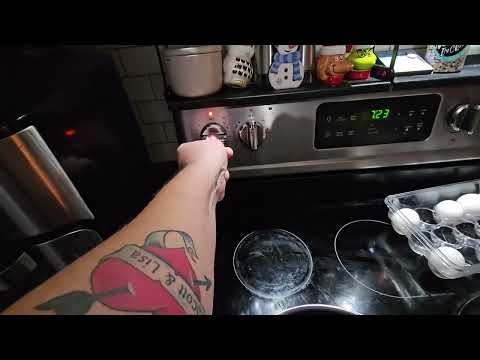
This was a focused cook with the HexClad 10-Inch Hybrid Frying Pan rather than a broad, long-term cookware trial. I used it for scrambled eggs on the stovetop after it had been seasoned and made ready to cook. I set the burner to medium, let the pan preheat for about a minute, sprayed in butter because I like that flavor, and added the eggs. A small rubber spatula was the utensil I used throughout the cook.
The practical result was exactly what I look for from a pan used for eggs. As I moved the eggs, they did not visibly grab onto the surface. They rolled off the pan as I stirred. Once they were cooked, they slid right out. I was not left trying to loosen stuck bits before plating, and the pan was easy to clean afterward.
That makes this HexClad 10-inch pan especially relevant for shoppers wondering whether its grooved hybrid surface can handle a delicate, familiar food. Eggs are not the only thing anyone will cook in a skillet, but they quickly reveal whether cooking feels easy or frustrating. Here, I could move and gather the eggs without fighting the surface. The clean release at the end was the clearest positive from my use.
There was one important learning curve. This pan felt substantially hotter than my usual pans within roughly 20 seconds, even though I had it on medium. That is a personal stovetop impression, not a measured temperature claim. Still, it was useful immediately. I did not need to raise the burner setting for scrambled eggs, and I would not approach it as though it heats like a lighter aluminum-style pan.
| Pan size | 10 inches |
|---|---|
| Pan type | Hybrid frying pan |
| Hands-on use | Scrambled eggs on stovetop |
| Heat behavior | Felt hotter faster than prior aluminum-style pan |
| Egg release | Eggs moved freely and slid out cleanly |
| Handling | Heavier than a typical aluminum-style pan |
Heat control matters more than turning the burner up
The most useful buyer takeaway from this HexClad 10-inch pan is not simply that the eggs released well. It is that the pan changed how I needed to think about heat. I started at medium and planned to wait about a minute for the preheat. Well before that minute was up, around 20 seconds in, the pan already felt hotter than my old pans normally did, even when I used high heat with them.
For scrambled eggs, that faster-feeling heat response is not a reason to cook more aggressively. Eggs do not need an extremely hot pan to cook well. In this case, medium was enough, and using less heat than I was accustomed to helped me keep the cook in a comfortable range. If you are moving over from a lighter aluminum skillet, it is worth treating your familiar burner position as a starting point rather than a rule.
I would begin conservatively, pay attention early in the preheat, and adjust based on your own stove. The exact response will vary by burner and kitchen, and I did not record a pan-surface temperature. What I can say from this cook is that the HexClad heated in a way that felt more immediate than my previous aluminum-style cookware. With eggs in particular, noticing that early response can matter more than chasing a higher setting.
The pan’s heat behavior also shapes its appeal. A cook who feels that a current skillet is slow to get going may appreciate the more responsive feel I had here. At the same time, responsiveness asks for a little attention. I found success by using medium heat rather than assuming that more heat would improve the egg cook. The product worked well once I adjusted that habit.
How the hybrid surface felt while I stirred
The HexClad 10-inch pan has a visibly grooved, hex-patterned cooking surface. That texture is one of the first things I noticed when looking at the pan, and it remained noticeable in use. I stirred the eggs with a small rubber spatula, and the contact between that utensil and the surface felt different from stirring in my older smooth aluminum-style pan.
I liked that stirring feel. The grooves were interesting beneath the spatula, and I felt they made the process feel better as I moved the eggs. That is a subjective part of the experience, so I would not treat it as a universal performance metric. The more concrete result was the food movement: the eggs kept rolling off the surface as I stirred instead of visibly sticking in place.
The surface also gives the pan a distinct appearance. I looked at both sides and found that the bottom had a very similar look to the interior. That visual continuity is a design detail, not a claim about how every dish will cook, but it makes the pan feel unlike a conventional smooth-bottom frying pan. For shoppers who are specifically drawn to the HexClad hybrid pattern, it is visible on both the cooking side and underside.
The pan had been seasoned before I began cooking. That is important context for the egg-release result. I am not claiming that every new pan, every seasoning condition, every stove, or every egg recipe will act exactly the same way. My result came from this prepared pan, with butter spray used for flavor, on medium heat. Under those conditions, the eggs moved freely and came out cleanly.
Egg release and cleanup were the real wins
Once the eggs went into the pan, the benefit was easy to understand. They were not visibly sticking while I moved them around with the rubber spatula. Instead of having to repeatedly scrape food away from the cooking surface, I could keep the eggs moving as they cooked. For a breakfast skillet, that makes the whole task feel simpler.
The final release supported that positive impression. The cooked eggs slid right out of the HexClad 10-inch pan. That is the useful everyday outcome: food can go from pan to plate without leaving behind a frustrating layer that needs extra work. Afterward, cleanup was easy.
I want to keep that conclusion specific. I used butter spray in this cook because I enjoy the flavor, so I cannot make a no-fat egg-cooking claim. I also did not use this one egg cook to establish long-term release performance. I did not cook repeated batches over months, and I did not test every kind of food residue. The supported conclusion is narrower: with butter spray, medium heat, and a seasoned pan, scrambled eggs did not visibly stick, slid out when done, and left me with easy cleanup.
That is still meaningful evidence for the shopper whose main question is breakfast use. A pan does not need a complicated result to be useful. It needs to let delicate food move when it should, transfer easily when it is ready, and avoid making a quick meal into an extended cleanup job. This HexClad pan did all three for me during this cook.
The weight is a real handling trade-off
I noticed the pan’s weight as soon as I handled it. It was heavier than the aluminum-style pan I had been accustomed to using. That extra heft did not stop me from cooking the eggs, stirring them, sliding them out, or cleaning the pan, but it is part of the day-to-day product experience and deserves to be considered before buying.
Whether the weight is a drawback depends on what you expect from a skillet. If you prefer the lightest possible pan for quick one-handed movement, tossing, or easy lifting, a lighter aluminum-style option may suit you better. The HexClad 10-inch pan did not feel awkward for this short breakfast cook, but it did not disappear in the hand the way a lighter pan can.
For me, the trade-off was straightforward. I got smooth egg movement, clean release, and easy cleanup, while accepting a more substantial feel than my old pan. I would not call heavier automatically better or worse. It is simply a product characteristic that will matter more to some cooks than others. A buyer who already knows they dislike heavier cookware should take that seriously, even if the egg result is appealing.
The 10-inch size worked comfortably for the scrambled eggs I cooked. It gave me room to move the eggs with the spatula without using a much larger skillet than the task required. My use was limited to this egg cook, so I am not assigning a serving-capacity recommendation. The useful point is that the pan gave the food space to move and made the finished eggs easy to slide out.
+ Pros
- Scrambled eggs released smoothly without visible sticking in my use.
- The pan heated quickly and felt more responsive than my previous aluminum-style pan.
- The grooved hybrid surface felt good when stirring with a rubber spatula.
- Finished eggs slid out cleanly, and cleanup was easy afterward.
− Cons
- Heavier than the aluminum-style pan I was accustomed to.
Who the HexClad 10-inch pan suits for breakfast cooking
I would consider the HexClad 10-Inch Hybrid Frying Pan a good fit for a home cook whose first priority is smooth egg release and who is willing to adapt to a faster-feeling pan. In my use, the eggs moved without visible sticking, slid out after cooking, and left an easy cleanup. That is a convincing combination for someone shopping specifically for a breakfast pan.
It may also appeal to cooks changing from basic aluminum-style cookware. The difference I felt was not subtle: at medium heat, the pan seemed much hotter than the pans I had used before. If your existing skillet feels slow to respond, the HexClad’s more immediate heat feel may be welcome. The key is to start with less heat than your old routine may suggest.
I would be more cautious if your top priority is an ultralight skillet. The increased weight was the clearest negative I noticed. It is not a performance failure, and it did not interfere with this cook, but it may be enough to point some shoppers toward a lighter option.
I would also keep the recommendation limited to the use I actually had. I did not test high-heat searing, metal utensils, dishwasher cleaning, or extended daily cooking. The pan can be used on the stovetop or in the oven, but my hands-on use here was stovetop scrambled eggs only, so I cannot comment on oven performance. Buyers whose decision depends mainly on those other uses should look for evidence specific to them.
What I would expect after this first cook
One successful egg cook is useful, especially for a product positioned as a hybrid frying pan, but it does not answer every durability or versatility question. I cannot say how the cooking surface will release food after months or years of use. I also cannot say how it will handle sauces, vegetables, searing, dishwasher cleaning, or metal utensils because I did not use it in those ways.
I also would not give an exact temperature formula for every kitchen. No precise surface temperature was measured. The practical guidance I took from the experience is simple: medium heat was sufficient for scrambled eggs, and the pan felt hot early in the preheat. That makes a lower-heat starting point sensible for cooks moving from slower-feeling aluminum cookware.
Within those limits, my first impression was strong where it matters for the stated purpose. I wanted a pan that would let scrambled eggs move easily instead of sticking. The HexClad 10-inch pan did that. The finished eggs slid out, and cleanup did not become another kitchen task. For a buyer making a decision mainly around delicate breakfast food, that is the evidence I would put the most weight on.
Specs
| Spec | Detail |
|---|---|
| Product | HexClad 10-Inch Hybrid Frying Pan |
| Diameter | 10 inches |
| Cooking surface | Hybrid grooved hex-pattern surface |
| Observed stovetop setting | Medium heat for scrambled eggs |
| Preheat used | About 1 minute |
| Utensil used | Small rubber spatula |
| Exterior appearance | Similar hex-patterned appearance to interior |
Buying takeaway: great egg release with a heat adjustment
The HexClad 10-inch pan gave me a clear result with scrambled eggs. It felt hotter faster and heavier than my old aluminum-style pan, but the eggs moved freely, did not visibly stick, slid out cleanly, and left an easy cleanup. Those are the practical details that matter most in a quick breakfast cook.
Of the two adjustments, heat is the one I would focus on first. Weight is apparent when lifting and handling the pan, but it did not get in the way of this meal. Heat changes the food more quickly, particularly with eggs. Beginning at medium, as I did, gave me the control I wanted without treating high heat as the default.
The hybrid grooved surface also made the cooking experience distinct. I liked the way the rubber spatula felt as I stirred, and the eggs’ movement backed up that positive impression. If you want a 10-inch pan for eggs and are comfortable with a more substantial skillet, the HexClad made a persuasive case in my kitchen.
Scorecard
Eggs did not visibly stick and slid out cleanly.
Heated noticeably faster than my old aluminum-style pan.
The grooved surface felt good with a rubber spatula.
Cleanup was easy after the eggs were removed.
More weight than a lighter aluminum-style pan.
Frequently asked questions about the HexClad 10-inch pan
Did eggs stick to the HexClad 10-inch pan?
Not in my scrambled-egg cook. As I moved the eggs with a small rubber spatula, they rolled off the surface without visible sticking. When they were cooked, they slid out of the pan cleanly.
What heat setting did I use for scrambled eggs?
I used medium heat and planned for about a minute of preheating. Within roughly 20 seconds, the pan felt much hotter than my usual aluminum-style pans do, even when those other pans are set high. I did not measure temperature, but medium was enough for this cook.
Did I use butter spray to prevent sticking?
I used butter spray because I like its flavor. The eggs still moved freely during the cook, but this was not a no-fat test, so I cannot say how the pan performs with eggs cooked without added fat.
Is the HexClad 10-inch pan heavy?
It felt heavier than the aluminum-style pan I was used to. The weight did not stop me from cooking or cleaning up, but it was the clearest handling trade-off I noticed.
Can this HexClad pan go in the oven?
The pan can be used on the stovetop or in the oven. My hands-on use for this review was limited to scrambled eggs on the stovetop, so I cannot comment on its oven cooking performance.
Did I test the pan with foods other than eggs?
No. I did not test high-heat searing, metal utensils, dishwasher cleaning, or long-term daily use. My recommendation is grounded specifically in the medium-heat scrambled-egg result.
Final recommendation
I would recommend the HexClad 10-Inch Hybrid Frying Pan to cooks who want dependable egg release and do not mind a heavier pan. In my use, scrambled eggs moved well, came out cleanly, and were followed by easy cleanup. The product’s main learning curve is heat: start with less burner heat than you may use with a lighter aluminum-style pan. With that adjustment, this HexClad 10-inch pan worked very well as a breakfast skillet.
As an Amazon Associate I earn from qualifying purchases.