GLP Ultra GLP-1 Appetite Suppressant Pills: Buyer’s Guide
What GLP Ultra GLP-1 appetite suppressant pills actually do, what's inside, who they suit, and how they stack up against prescription GLP-1s.

Reviewed by
Scott Ayres
Welcome to the Product Demo lab where I (Scott) demo products so you can make an educated buying decision. I keep it real, honest and laid back.
This post contains affiliate links. I may earn a commission at no extra cost to you.
The Problem: You’re Hungry All Day and the Injectables Cost a Fortune
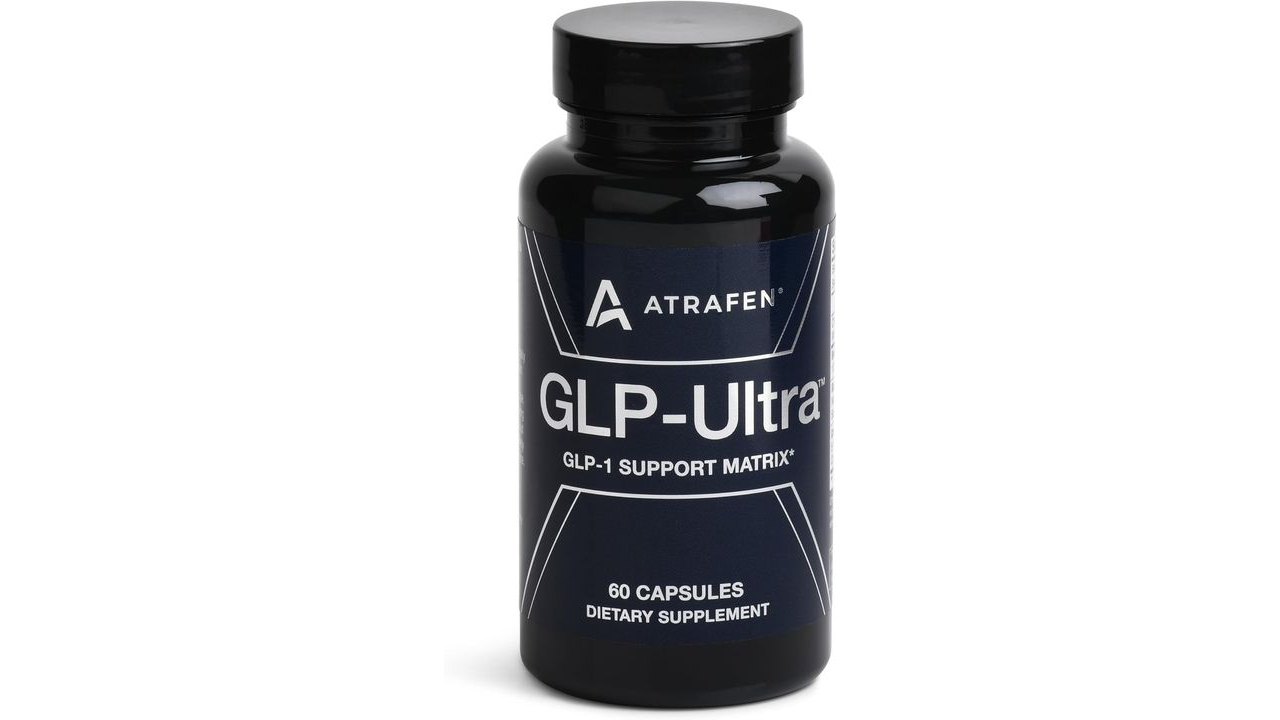
Food noise is the reason most diets fall apart by 9 p.m. You white-knuckle it through the afternoon, then the cravings win. Prescription GLP-1 drugs like Ozempic and Wegovy quiet that noise well, but they need a doctor, a prescription, and a budget most people don’t have. That gap is exactly what the GLP Ultra GLP-1 Appetite Suppressant Diet Weight Loss Pills are marketed to fill: an over-the-counter capsule built around berberine and appetite-support botanicals, aimed at people who want craving control without an injection.
Here’s the important framing up front. This is a supplement, not a drug. It does not contain or mimic the actual GLP-1 peptide your gut makes after eating. So the question isn’t “is this Ozempic in a bottle” (it isn’t) but “do these ingredients do enough to be worth trying.” This guide breaks that down without the hype.
Quick Verdict
GLP Ultra is a berberine-plus-appetite-botanical stack wearing a GLP-1 name it doesn’t chemically earn. At 4.0 stars it’s mid-pack, and the proprietary blends hide exact doses. Reasonable to try for craving support, not a swap for a prescription GLP-1.
Buy if you:
- Want an OTC berberine-based stack for cravings and blood-sugar-adjacent support
- Can’t or don’t want to pursue prescription GLP-1 drugs
- Struggle most with late-night and emotional eating
- Prefer a bundled formula over buying single ingredients
Skip if you:
- Want to see exact milligram doses, the proprietary blends never list them
- Expect prescription-level 15 to 20 percent body weight loss
- Take diabetes or blood-sugar medication and haven’t cleared it with a doctor
| Key actives | Berberine, 5-HTP, Alpha Lipoic Acid, Green Tea Extract, Saffron, Vanadyl Sulfate |
|---|---|
| Format | Oral capsules |
| Manufacturing | GMP-certified facility, USA, non-GMO |
| Amazon rating | 4.0 stars |
| Third-party tested | Not disclosed on listing |
What “GLP-1 Support” Actually Means Here
It means berberine, not a peptide. GLP-1 is a hormone your gut releases after a meal that helps regulate blood sugar and appetite. Prescription GLP-1 drugs are engineered to imitate that hormone in the bloodstream. GLP Ultra takes a different route: it uses plant compounds and amino acids that pass through your digestive system and nudge metabolism and hunger signaling. Similar target, very different mechanism, and the results ceiling is much lower.
Berberine is the headliner, sometimes nicknamed “nature’s Ozempic” in marketing. It has published research on carbohydrate metabolism and glucose regulation. That’s real, but a nickname isn’t equivalence. Berberine helps some people modestly; it doesn’t reproduce what a GLP-1 receptor agonist does.
The Ingredients and What Each One Is Doing
Berberine (in “Berberine HyperBoost”) targets carbohydrate and fat metabolism, the same lane that makes GLP-1s useful for glucose. 5-HTP feeds serotonin pathways tied to mood and emotional eating, which is why it lands in the appetite-control side of the formula. Green Tea Extract brings caffeine and catechins for a mild metabolic and fullness effect. Alpha Lipoic Acid, Saffron Extract, and Vanadyl Sulfate round it out; saffron has some appetite and mood research, ALA and vanadyl sulfate lean toward metabolic and blood-sugar support.
Every one of those six has some published metabolic research behind it. None has been shown to replicate prescription GLP-1 activity. That’s the accurate read.
Turning the Marketing Into Plain Benefits
“Crave Curb Complex” is the appetite play: 5-HTP plus green tea to blunt the hunger and late-night snacking that wreck most diets. “GlucoZen Blend” is the anti-crash angle, aimed at steadier energy so you’re not fighting fatigue while cutting calories. “Berberine HyperBoost” is the metabolism and blood-sugar-stability piece. Strip the branding away and you get a craving-support and metabolic-support capsule. That’s genuinely useful for the right person, as long as expectations are set correctly.
How Much Weight Loss Is Realistic
Far less than the drug it’s named after. For scale: prescription GLP-1s produce roughly 12 to 20 percent body weight loss in trials. Even oral prescription weight-loss meds land closer to 5 to 10 percent. An over-the-counter supplement sits below both tiers. There’s no published clinical trial specific to GLP Ultra, so any weight change depends heavily on the calorie deficit and habits around it. Treat the pill as a craving assist that makes a diet easier to stick to, not the engine of the weight loss itself.
The Proprietary Blend Problem
This is the biggest knock, and it’s worth knowing before you buy. The three named blends, “Berberine HyperBoost,” “GlucoZen Blend,” and “Crave Curb Complex,” don’t disclose the milligram amount of each ingredient. Berberine tends to need a meaningful daily dose to matter. When it’s buried inside a blend, there’s no way to confirm you’re getting an effective amount versus a pinch for label appeal. Competitors that publish individual doses make it easier to judge value.
The other gap: no third-party testing certification surfaces on the listing, while some direct competitors advertise it prominently. GMP-certified USA manufacturing is a baseline, not a standout.
Get it now
GLP Ultra GLP-1 Appetite Suppressant Diet Weight Loss Pills | Fat Burner GLP diet pills weight loss appetite suppressant fat burner
Get the best price on Amazon →This post contains affiliate links. I may earn a commission at no extra cost to you.
Safety, Side Effects, and Who Should Not Take It
Berberine can lower blood sugar on its own, which is the main safety flag. Stack that with green tea’s caffeine and possible mild digestive upset and you have the usual supplement side-effect list: potential nausea, stomach discomfort, or jitteriness in sensitive users. The formula markets steady energy specifically to avoid the crash-and-burn feel of stimulant diet pills, but caffeine tolerance still varies person to person.
Do not treat this as casual if you’re on medication. Anyone taking diabetes or blood-sugar drugs should talk to a doctor first, because berberine can compound the glucose-lowering effect. People with a family history of certain thyroid cancers or pancreatitis, and anyone pregnant or nursing, should get medical guidance before starting any metabolic supplement. This is objective caution, not fear-mongering.
How GLP Ultra Compares to the Alternatives
It bundles more, it discloses less. Against prescription semaglutide, there’s no contest on proven results, but the drug needs an Rx and a real budget. Among OTC options, Harmony Glow advertises third-party testing, Etta Vita leans on a BHB ketone plus ACV plus berberine stack, and Fire Bullets adds cayenne to green tea. GLP Ultra’s angle is the widest ingredient list, adding alpha lipoic acid, saffron, and vanadyl sulfate on top of the usual berberine base.
That “more ingredients” pitch cuts both ways. If you like a one-capsule kitchen-sink approach, it’s a value-add. If you want to control and verify doses, a standalone berberine capsule is cheaper and fully transparent. For buyers who mainly want craving control and steadier energy in one bottle, GLP Ultra is a reasonable pick. For dose purists, it isn’t.
Advice Before You Add It to Cart
Buy it as a support tool, not a solution. Pair it with the deficit and habits that actually drive weight loss, whether that’s low-carb, intermittent fasting, or plain calorie tracking, and judge it on cravings first. Give it a few weeks rather than expecting overnight change, and read the current listing reviews and any dosing details on the product page before committing. If cost was your reason for skipping prescription GLP-1s, this is a far cheaper experiment, just go in with calibrated expectations.
Pros
- Berberine-led formula targeting cravings, metabolism, and blood-sugar-adjacent support in one capsule
- 5-HTP addresses emotional and late-night eating, a common diet-killer
- Wider ingredient list than most competitors (adds ALA, saffron, vanadyl sulfate)
- GMP-certified USA manufacturing with non-GMO ingredients
- Far cheaper entry point than prescription GLP-1 drugs
Cons
- Proprietary blends hide individual ingredient doses, so berberine amount is unverifiable
- No third-party testing disclosed on the listing
- GLP-1 branding oversells; it doesn’t contain or mimic the actual hormone
- 4.0-star rating sits mid-pack in a crowded category
- Won’t approach prescription-level weight loss results
Frequently Asked Questions
Does GLP Ultra work like Ozempic or Wegovy?
No, not by the same mechanism. It’s a berberine-based supplement, not a GLP-1 receptor agonist, so it doesn’t contain or mimic the GLP-1 hormone. It may support cravings and metabolism modestly, but it won’t reproduce prescription-drug results.
Is berberine really a “natural Ozempic”?
It’s a marketing nickname, not a scientific equivalence. Berberine has real research on glucose and carbohydrate metabolism, which is why it earned the comparison, but its effect is far milder than an actual GLP-1 drug. The bigger question with this product is whether the blend uses an effective berberine dose, which the label doesn’t disclose.
How long before I see results?
Expect weeks, not days, and mostly in appetite before the scale. Craving control from 5-HTP and green tea can show up sooner, while any weight change depends on maintaining a calorie deficit alongside it. There’s no clinical timeline specific to GLP Ultra.
Can I take it with blood sugar or diabetes medication?
Not without a doctor’s sign-off. Berberine independently lowers blood sugar, so combining it with diabetes medication can push levels too low. This is the single most important safety check with this product.
Are there side effects?
Possible mild ones: nausea or stomach upset from berberine, and jitteriness from the green tea caffeine in sensitive users. The formula is marketed to avoid the energy crash typical of stimulant diet pills. Caffeine tolerance still varies, so start conservatively.
Can I use it while doing intermittent fasting or low-carb?
Yes, it’s designed to complement those approaches. The appetite-support angle can make fasting windows and carb cuts easier to stick to. Follow the label timing and take it with water; if fasting, check whether taking it with food suits your stomach better.
What happens if I stop taking it?
Whatever appetite support it provided goes away, and cravings can return. Research on weight-loss aids generally shows people tend to regain weight after stopping if the underlying habits didn’t change. Lasting results come from the diet and routine, not the capsule alone.
How does it compare to other OTC GLP-1 supplements?
GLP Ultra bundles more ingredients but discloses less than some rivals. Competitors like Harmony Glow advertise third-party testing and Etta Vita uses a BHB and ACV stack. If dose transparency matters most to you, a standalone berberine capsule is cheaper and fully labeled.
Is it third-party tested?
Not disclosed. The listing highlights GMP-certified USA manufacturing and non-GMO ingredients, but no third-party testing certification surfaces. Some direct competitors do advertise it, so it’s a fair point to weigh.
Get it now
GLP Ultra GLP-1 Appetite Suppressant
Check the current price on Amazon →This post contains affiliate links. I may earn a commission at no extra cost to you.
About the reviewer
Scott Ayres
Welcome to the Product Demo lab where I (Scott) demo products so you can make an educated buying decision. I keep it real, honest and laid back.